Big Tech's "Kids" Bill Barely Passed – the Real Fight Is in the Senate
This week in The Dispatch: A weak House kids bill stumbles toward the Senate; we launch a public tracker of AI super PAC spending; California's COMPETE Act hits a critical moment; and Apple shuts down its first union store.

Welcome back to The Dispatch from The Tech Oversight Project, your weekly updates on all things tech accountability. Follow us on Twitter at @Tech_Oversight and @techoversight.bsky.social on Bluesky.

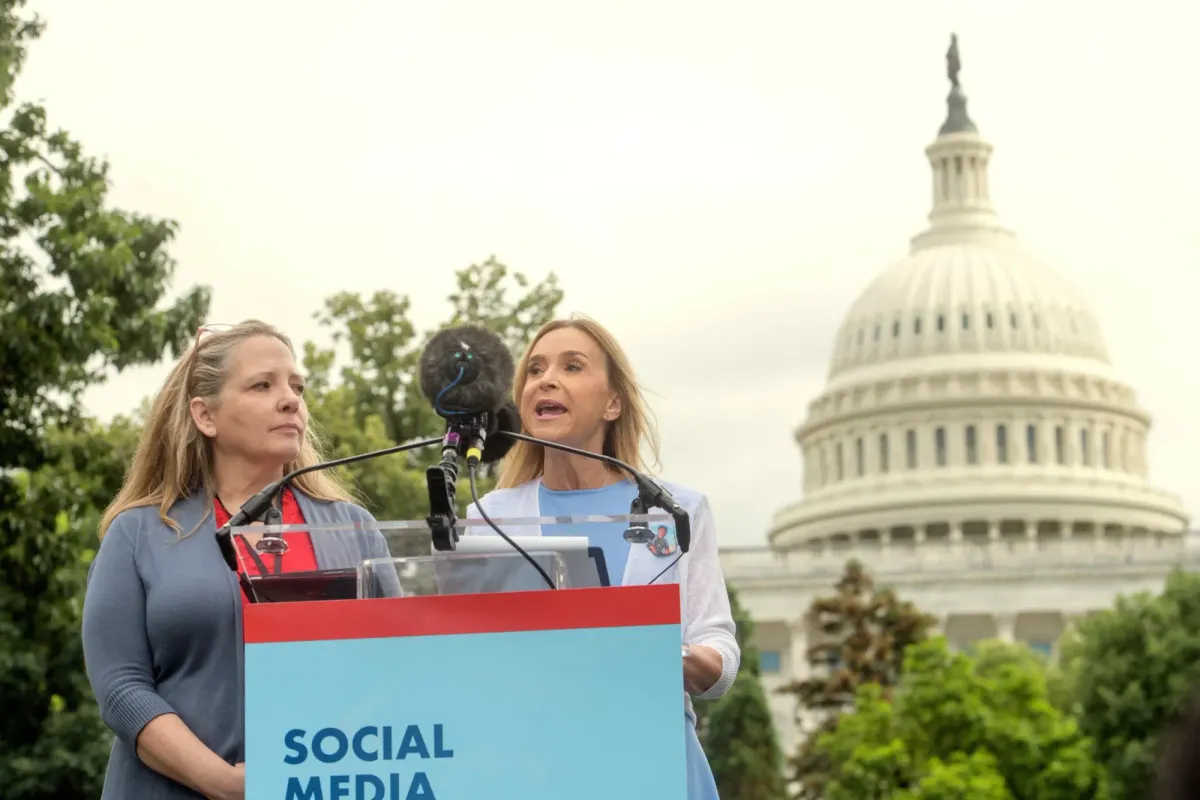
The deeply problematic KIDS Act narrowly passed the House last night with lackluster support – and now it stumbles into a Senate where a full two-thirds of the chamber has cosponsored the much stronger Kids Online Safety Act. The Senate’s KOSA continues to earn support from a broad coalition of survivor parents and families, youth advocates, medical professionals, and educators who refuse to accept anything less than real protections for young people online.
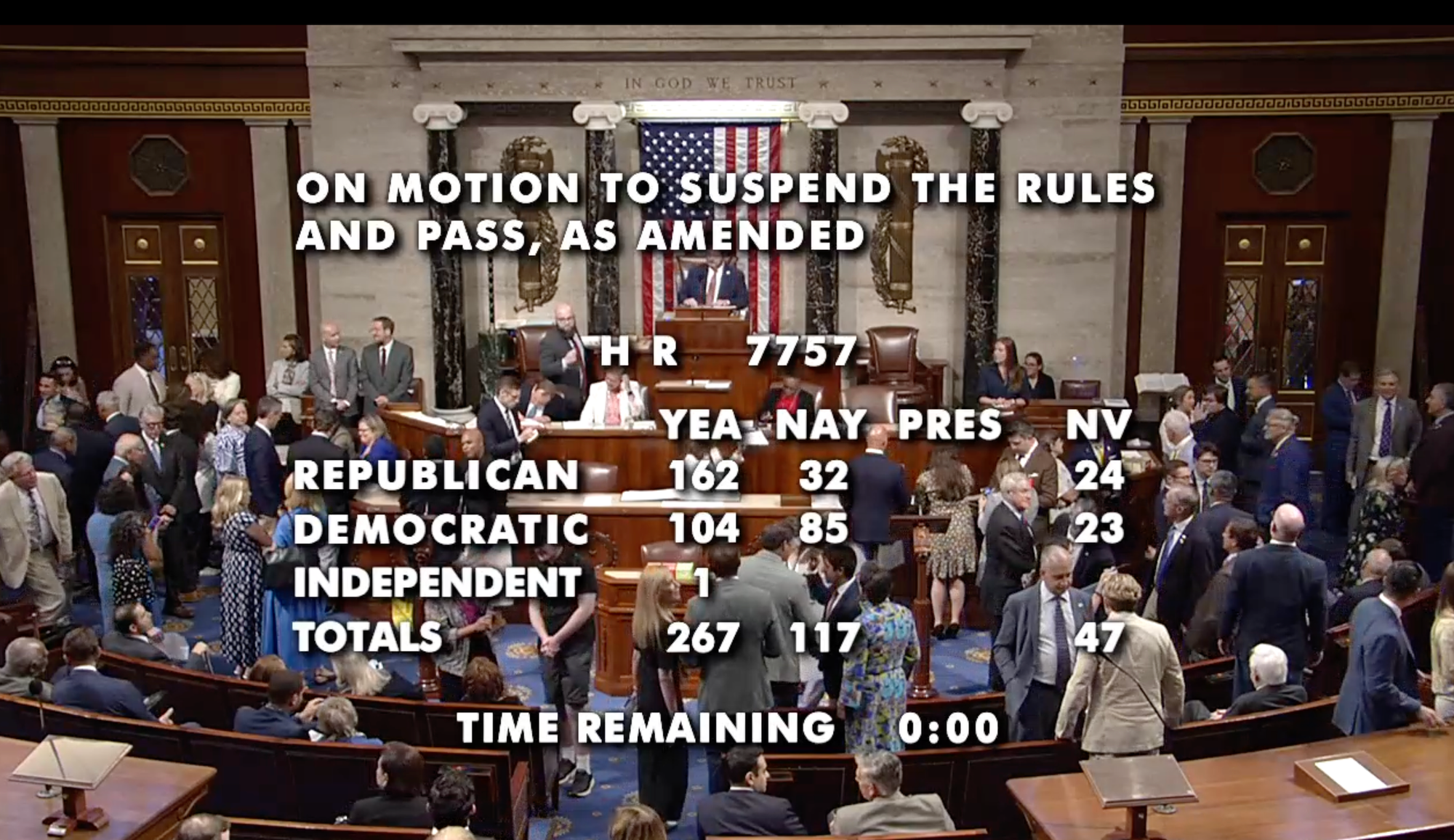
🤏 A SUSPENSEFUL SUSPENSION VOTE: The weak House bill that Speaker Johnson thought would be a layup on the floor almost went down in flames last night, with the presiding officer hurriedly gaveling the vote to a close as Members spread the word on the floor that this bill was a wolf in sheep’s clothing. We sent out a floor alert to warn them – read our analysis on why the “KIDS Act” would be a step backwards in the fight for real protections. Fortunately, as ParentsRISE! pointed out, there are bipartisan champions in the Senate who will fight for the strongest bill possible.
🎆 DON’T MISS US TOO MUCH: The Dispatch is taking a short summer break. We'll be off for the next two weeks and back in your inbox on July 21.
🏛️ When we come back, we’ll be gearing up for one of the summer’s biggest events: the July 28 Senate Judiciary Committee hearing, where tech execs including Meta’s head of Instagram Adam Mosseri and YouTube CEO Neal Mohan are set to testify. We hear Mark Zuckerberg is trying to weasel his way out of appearing himself – something about a scheduling conflict – but a month seems like enough time to move some things around when the Senate comes calling, right, Mark? Expect a full preview of who will be in the hot seat, what lawmakers should be asking them, and what the tech industry desperately hopes doesn't come up. See you July 21.

💸 WHO’S PAYING THE PLAYERS? Last week, the Tech Oversight Project launched the first public AI Super PAC Research Book and Ad Library, exclusively covered in the Washington Post, tracking 17 industry-funded groups backed by the Big Tech giants and their executives. Meta, Google, OpenAI, Anthropic, Palantir, and Andreessen Horowitz are all in the mix, and together, the super PACs they fund to run interference against regulation have already spent more than $50 million influencing federal and state elections this cycle.
“Voters deserve to know who is backing the shady ad campaigns in their communities and why they are spending so much to usher in pro-industry stooges. With these tools, we're putting more information in the hands of voters, researchers, and journalists so we can all beat back this toxic influence together.” – TOP's Sacha Haworth
Most election trackers focus only on Washington, but this project also tracks state-level spending — where some of the biggest fights over AI, data centers, kids' safety, and privacy are actually unfolding, and where advocates for accountability have notched some of their most substantive wins. The library launches with more than 100 catalogued ads, alongside research on who's funding these groups, where they're spending, and which races they’re trying to sway and policy proposals they’re trying to influence or kill.
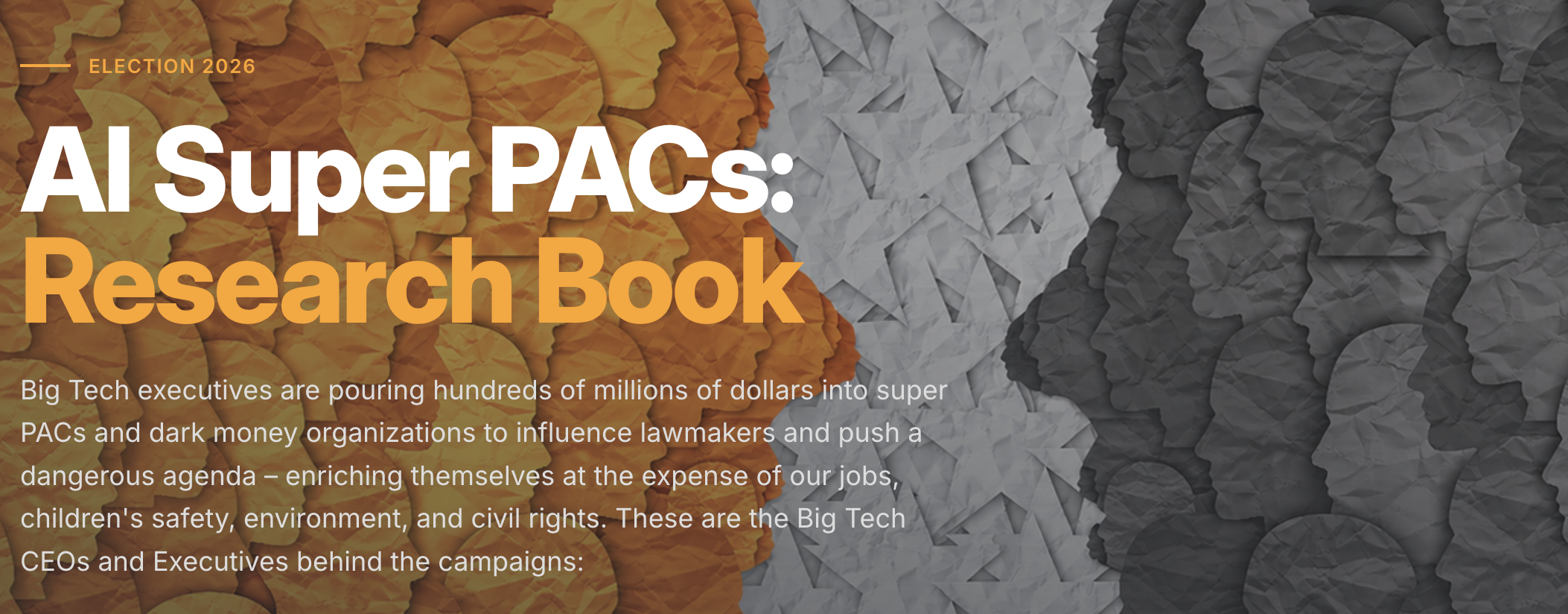
🎯 WHERE’S THE MONEY GOING? Traditional lobbying is yesterday’s game. This is a nationwide political operation designed to shape who gets elected, what laws get passed, and who gets to write the rules for AI — and our new resources show exactly how.
Two-thirds of Leading the Future's federal spending so far has gone to propping up Republicans and attacking Democrats. At the same time, the PAC has spent $2.5 million boosting Democratic incumbents in safe seats with no serious challengers – an apparent play to build a small cadre of loyalists. On the Republican side, its spending closely tracks Donald Trump's political operation: in Andy Barr's Kentucky Senate race, Leading the Future started spending within days of Trump's endorsement, and in Montana, it has spent more boosting Aaron Flint than the candidate has raised himself.
The imbalance is staggering: at the federal level, pro-AI-safety super PACs are being outspent by $7.5 million, while at the state level, AI safety spending is essentially nonexistent. Anti-safety and industry-backed PACs have spent more than $20 million unchallenged – and counting.

🎩 THE COMPETE ACT’S CRITICAL MOMENT: Today, the California Senate Judiciary Committee takes up the COMPETE Act (AB 1776), a landmark anti-monopoly bill, which would stop the state’s largest corporations from crushing competitors before they can get off the ground — setting the stage for one of the biggest tech accountability showdowns of the year.
“The COMPETE Act is a must-pass for California’s economy because it would stop the biggest corporations from crushing competitors before they ever get off the ground. Big Tech will spend whatever it takes to protect its monopolies, but COMPETE is gaining momentum even in the face of a coordinated opposition campaign. Tuesday is the moment for the Judiciary Committee to stand with Californians, not Big Tech monopolies.” – Tech Oversight California's Sacha Haworth
California is one of only five states that doesn’t prohibit anticompetitive conduct by a single company acting alone. It’s time to close that loophole, says Gene Kimmelman, who worked on federal antitrust issues under three presidents, most recently as deputy associate AG for antitrust under President Biden. Legislators have tried to do it four times, most recently twenty years ago; now, with a handful of unaccountable billionaire CEOs now controlling so many aspects of our everyday lives, let’s hope lawmakers are finally ready.
WHEN LEGISLATORS STAND UP TO TECH, GOOD THINGS HAPPEN: Last year’s passage of AB 325, legislation requiring companies to disclose when algorithms are used to set prices, came after a hard-won fight by consumer advocates against a powerful coalition of Big Tech companies and business groups – the same coalition is now working overtime to stop the COMPETE Act.
And it looks like AB 325 is working: a new class action lawsuit alleges that 1,700 California gas stations used AI-powered pricing software to inflate prices at the pump, behavior that would not have been illegal before that new law. The COMPETE Act would build on last year's success, expanding the state’s antitrust statute to prohibit dominant corporations in Big Tech (and other industries dominated by 800-pound gorillas) from throwing their weight around in ways that squash competitors, stifle innovation, and push up prices for consumers.

META’S DOUBLE STANDARD ON FREE SPEECH: Meta has been attempting to rebrand itself as a champion of free expression. That claim became hard to swallow a year ago, when the company tried to block distribution of former exec Sarah Wynn-Williams' explosive book Careless People about her time inside the company, then moved to legally intimidate her out of testifying before Congress.
DOUBLE STANDARD ALERT:
— The Tech Oversight Project (@Tech_Oversight) June 26, 2026
For Meta whistleblower: a gag order, surveillance at public events, and millions in $ penalties for each alleged violation of her non-disparagement deal -- aka for daring to speak.
For Mark Zuckerberg: White House helping them dodge basic questions about… pic.twitter.com/4ouI9YUn24
Now Wynn-Williams has filed suit in federal court seeking to end Meta’s efforts to use private arbitration to block her from publicly discussing her time at the company and promoting her book. Per the complaint, Meta has sought to impose severe financial penalties tied to her speech while simultaneously attacking her publicly, creating what her attorneys describe as a one-sided effort to suppress a whistleblower. Wynn-Williams argues that Meta has gone so far as to monitor her public appearances and seek advance notice of future events where she may speak.
The case is shaping up as a major test of how far Big Tech can go to keep the truth from being told – about its carelessness for kids' safety, its willingness to lie to Congress, and its commitment to profit above all.
And the silencing isn't only happening in court. New reporting from Politico reveals that the White House quietly worked behind the scenes to help Meta CEO Mark Zuckerberg and Google CEO Sundar Pichai avoid appearing at the upcoming July 28 Senate Judiciary Committee hearing to face questioning from lawmakers. But a month seems like plenty of time up for the CEOs to find some room in their schedules ... or for members of the Committee to use their subpoena power.

THEY’RE AT IT AGAIN: Mark Zuckerberg’s quest to find a “get out of jail free” card continued this week in California. As POLITICO reports, Meta is pushing state lawmakers to shield it from pending legislation that would increase legal penalties in child-harm cases. It's the same move we flagged at the federal level: Meta trying to escape accountability through legislation at the exact moment courts are starting to hold it responsible.

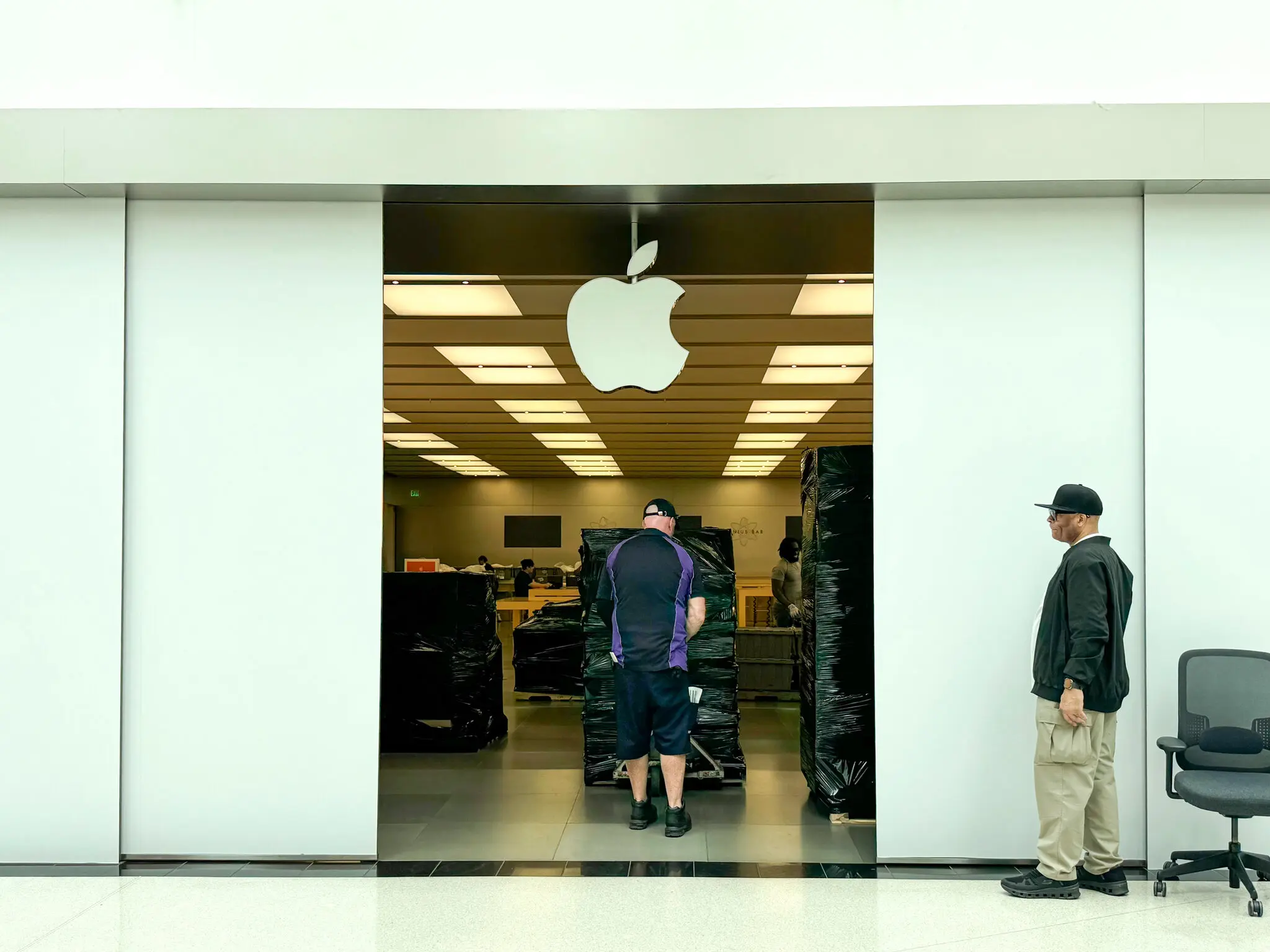
Apple just closed the first unionized retail store in company history, the Towson, Maryland location where workers successfully organized in 2022 after years of resistance from the tech giant. Apple claims the closure is tied to conditions at the mall where it’s located, but union leaders aren't buying it. Workers have accused the company of retaliatory behavior, filed labor complaints, and argue the decision sends a clear message to Apple employees across the country considering organizing: if you cross the tech giants, your job could be next.

 Kaitlyn Huamani and Barbara Ortutay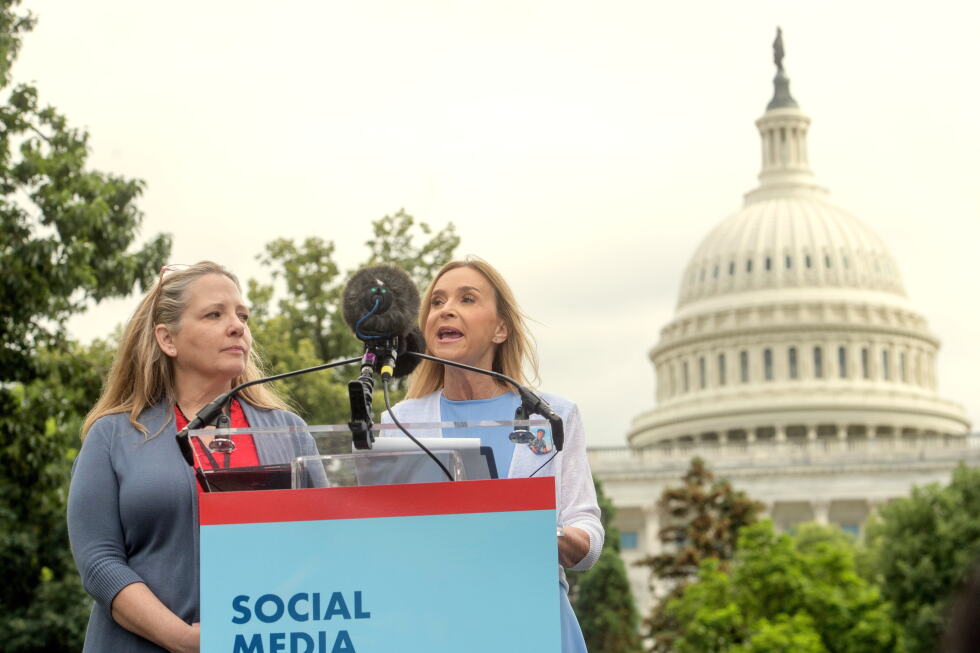
 smccroskey
 Annie Palmer
 Dhruv Mehrotra and Joel Khalili
 Eric Levitz