Historic Social Media Addiction Trials Begin Jury Selection, Unsealed Docs Reveal Deliberate Design to Hook Kids
This week in The Dispatch, we cover the latest in the Big Tech social media addiction trials, new docs on Big Tech's deliberate product designs, and 2025 lobbying totals

Welcome back to The Dispatch from The Tech Oversight Project, your weekly updates on all things tech accountability. Follow us on Twitter at @Tech_Oversight and @techoversight.bsky.social on Bluesky.

⚖️ LANDMARK SOCIAL MEDIA ADDICTION TRIALS START AND BIG TECH IS SWEATING: It’s finally happening. Jury selection begins Tuesday in Los Angeles for the trials in the landmark youth mental health cases filed against Meta, TikTok, YouTube, and Snap, alleging what we all know: these companies trafficked in addiction, and our kids and families paid for it.
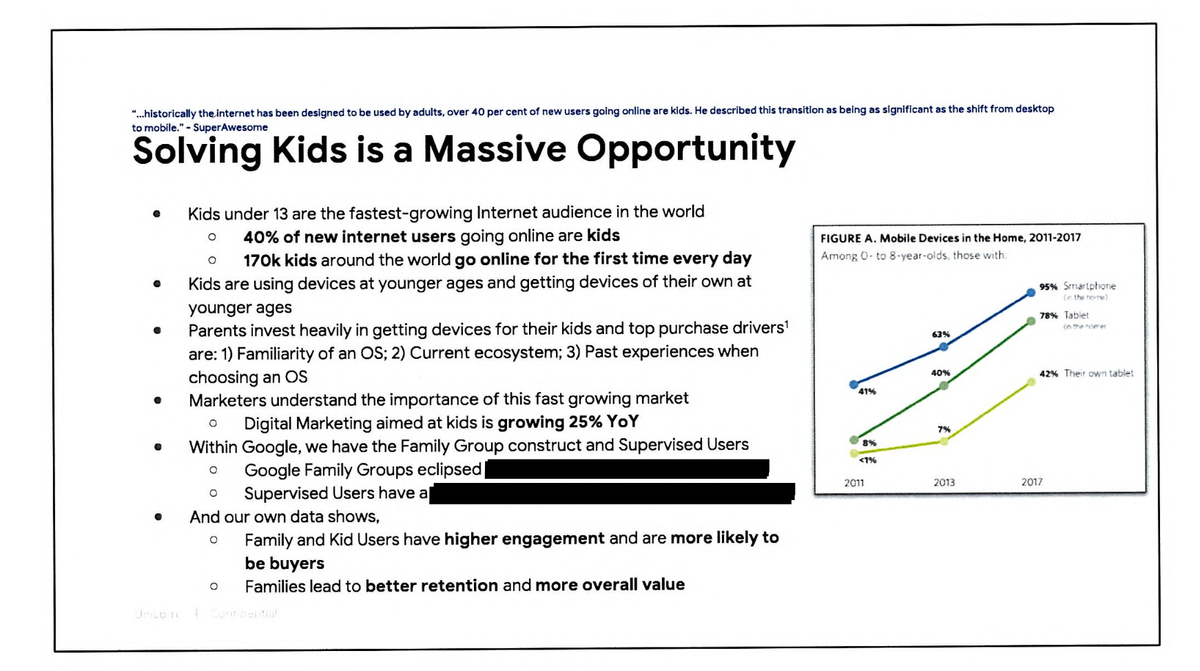
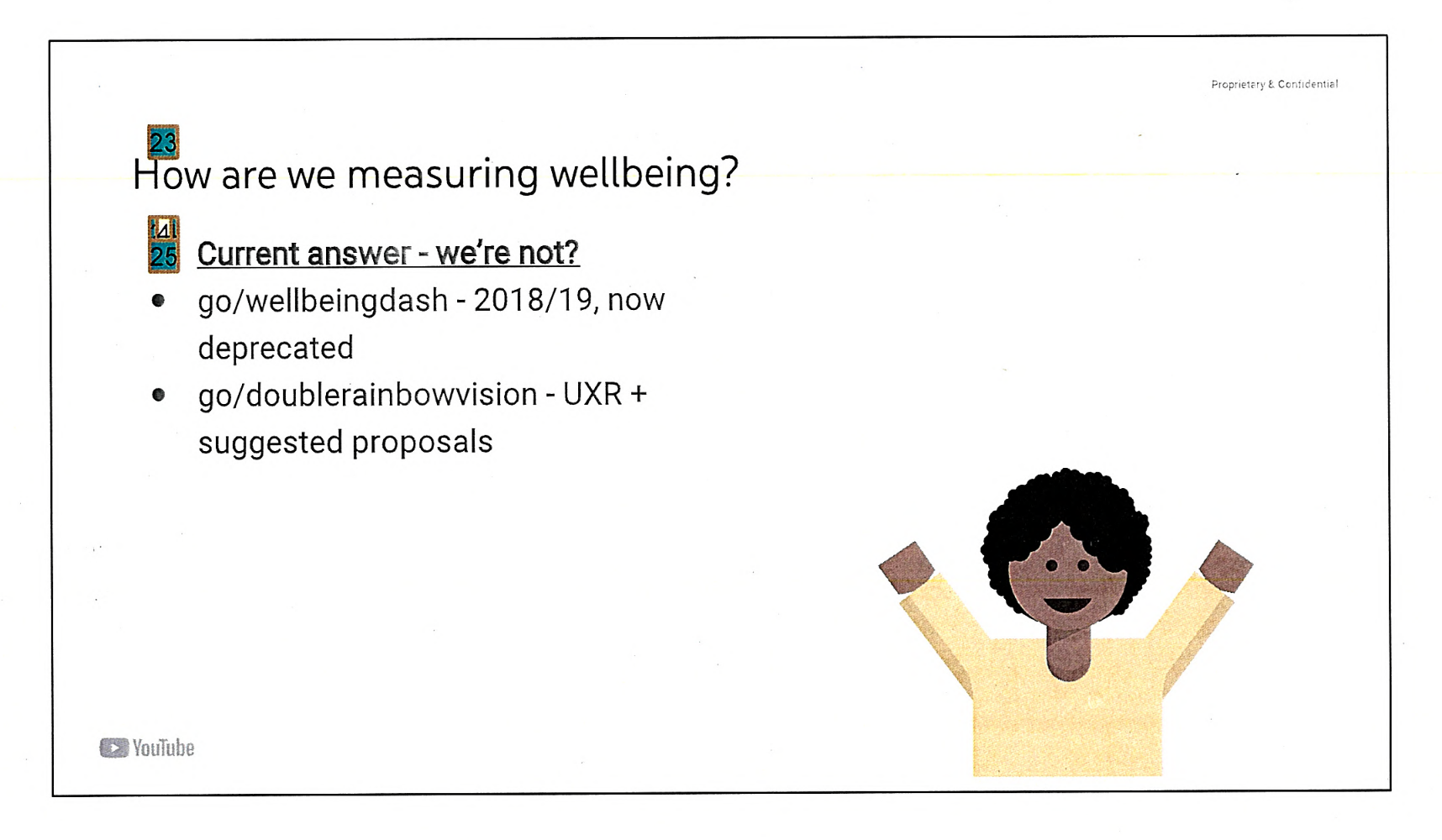
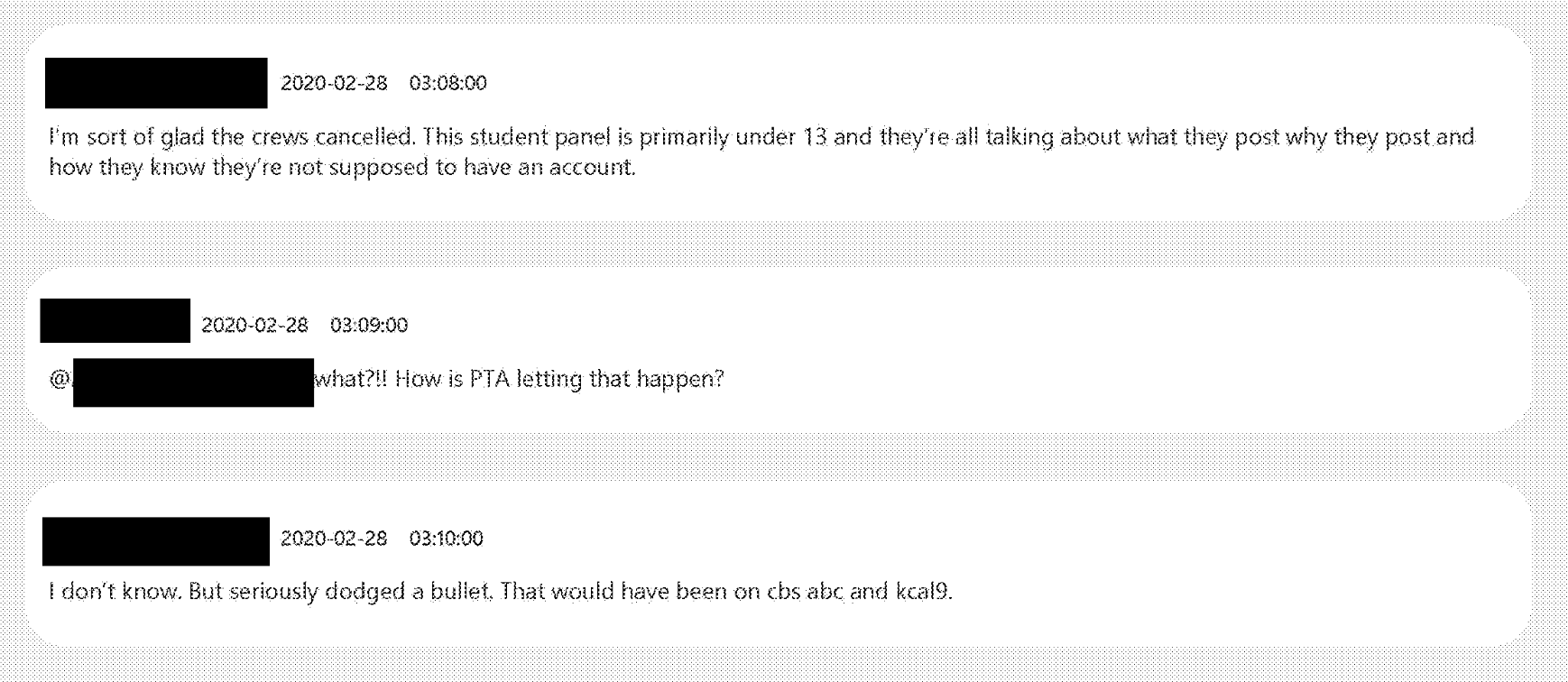
🔊 DUN-DUN: As the evidence shows, they know their products are dangerous, but they keep putting profits above people and pushing faulty products on our kids anyway. Yesterday, we released a new report reviewing just-unsealed documents that contain smoking-gun evidence that Meta, Google, Snap, and TikTok all purposefully designed their social media products to addict children and teens with no regard for known harms to their wellbeing, and how that mass youth addiction was core to the companies’ business models.
“These unsealed documents prove Big Tech has been gaslighting and lying to the public for years, and it’s high time parents and young people get their day in court.” – Sacha Haworth, Executive Director of The Tech Oversight Project
The CEOs and top execs being called to testify aren’t eager to have to answer questions on the stand about why and how they sold out our kids for profit. Just days ago, Snap quietly cut a deal to settle its first bellweather case so its own CEO won’t have hit the stand, and its internal documents won’t be dissected in front of a jury. The settlement underscores what’s really going on here: the companies that have perpetrated this assault on our kids don’t want to deal with discovery or have to testify about what they knew and when they knew it.
The remaining defendants will have to face the music. Executives at Meta, TikTok, and Google, including Mark Zuckerberg and Adam Mosseri, face the prospect of testifying about internal research tying their platforms to rising rates of depression, anxiety, and compulsive use among young people, evidence that plaintiffs say was buried while companies doubled down on their anything-for-a-click addiction tactics.
⏩ Need to get up to speed? Our fact sheet outlines critical details about the trials, including key witnesses, legal arguments, court schedules, and docket access.

💅 💁♀️ KIDS CODES ARE HAVING A MOMENT: Big Tech keeps insisting parental controls are enough to keep vulnerable kids safe online, but in states across the country, parents, teachers, advocates, and legislators know better: kids need protections baked into their products and active by default, not buried deep in their settings menus.
South Carolina legislators sent their Kids Code bill to the Governor’s desk last week, which poises the Palmetto State to join Nebraska, Vermont, Maryland, and California in creating privacy by default and safety by design.
Meanwhile, lawmakers in two more states are joining the statehouse push for Kids Code protections.
In Michigan, Senate Democrats unveiled a sweeping new “Kids Over Clicks” package that includes a Kids Code and would rein in manipulative design, limit data exploitation, and force platforms to put children’s safety ahead of engagement and ad revenue.
In Wisconsin, Rep. Alex Joers and colleagues introduced a Kids Code bill last week, inspired by a powerful op-ed in the Milwaukee Journal Sentinel by Carrie Harrison.
“Ten years after I bought my son a cell phone and an Xbox, and almost three years into grieving Jack's death from fentanyl poisoning, the Big Tech companies that harmed my son and so many others continue to deny accountability and block reform efforts. Now AI chatbots are accelerating the threats they already posed to society.”
- Carrie Harrison, survivor parent
Proof of social media’s harms to kids just keeps growing: last week, the American Academy of Pediatrics released a landmark policy statement, marking a decisive shift. For the first time, the nation’s leading pediatric group said Big Tech, not parents, must be held responsible for keeping kids’ digital experiences safe.
“Pediatricians would love our patients to sleep more, read more and have strong family relationships — and crucially, we think better tech design is an important way to make that happen.” – Dr. Jenny Radesky, Tech Policy Press
Momentum across the country for Kids Codes and chatbot protections is the latest sign of hope that the era of letting the platforms get off scot-free as they endanger our kids online is finally coming to an end.

🤑 BIG TECH SPENT A WHOPPING $109 MILLION TO BAN STATE AI LAWS, BLOCK CHILDREN'S SAFETY. Big Tech isn't just spending big to stay on the right side of power. They're spending big to ban state AI laws (including civil rights, consumer protection, and CSAM laws) and stop bipartisan safety bills (like the Senate's bipartisan Kids Online Safety Act) from getting over the finish line. The total sum? Jaw-dropping.
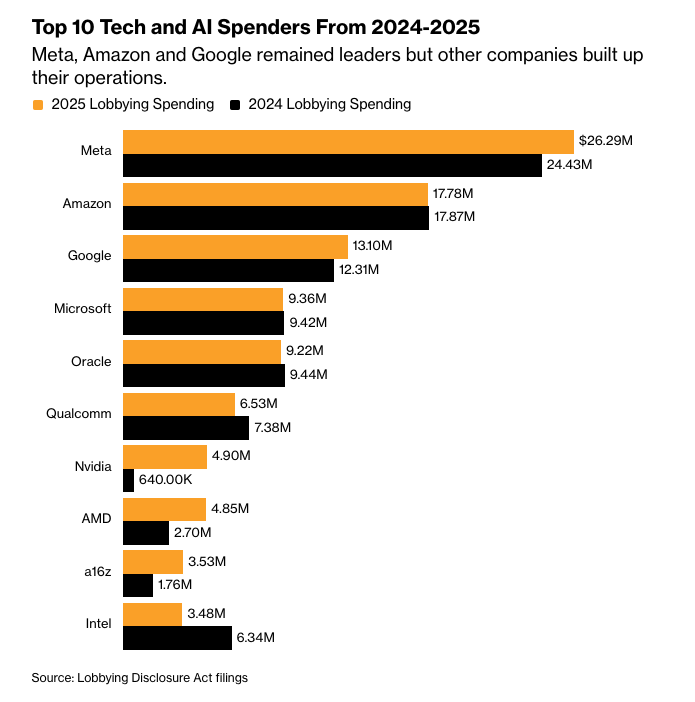
According to Bloomberg, major tech companies shelled out a record $109 million on federal lobbying in 2025 to shape how Congress and the Trump Administration approach AI, competition, online safety, privacy, and more. What did it buy them? Two failed attempts at banning state AI laws, a hijacked version of KOSA in the House, and perpetuating a status quo that protects Big Tech giants while suffocating would-be competitors.
- Meta led the pack, spending more than $26 million on lobbying.
- Amazon and Google weren’t far behind with a combined $30 million between the two of them.
- NVIDIA upped its DC spending by sevenfold, and AI barons a16z doubled its influence operation.
Across the industry, that adds up to two million dollars a week spent trying to bend policy away from the commonsense guardrails the American people are calling out for. With issues like AI, data centers, dangerous chatbots, and AI monopolies expected to come before Congress, our message is simple: Listen to your constituents, not Big Tech lobbyists.

 THE ASSOCIATED PRESS
 Marty Swant
 Lauren Goode
 Ella Nilsen
 Maxwell Zeff