New Smoking Gun Meta Docs, the AI Super PAC Preemption Machine
This week in The Dispatch, we’re covering new court documents revealing Meta's 17-strike system for sexual predators and child traffickers, the AI super PACs trying to buy themselves a Congress, and the White House AI czar shaping an industry he’s invested in hundreds of times over.


Welcome back to The Dispatch from The Tech Oversight Project, your weekly updates on all things tech accountability. Follow us on Twitter at @Tech_Oversight and @techoversight.bsky.social on Bluesky.

🗄️ COURT UNSEALS NEW META DOCS, SPARKS FLY: Newly unsealed Meta court documents, in a fight that involves hundreds of lawsuits against Meta and other major social media companies, obliterate the company’s core defense that it “didn’t know.” The documents come out of the MDL and JCCP Social Media Addiction litigation, two tracks of consolidated cases in federal and California state court that together involve thousands of suits brought by school districts, states, local governments, and individuals against Meta, Google, TikTok, and Snap.
The cases center on the same pattern: internal research showing the platforms’ products harm children, executives suppressing or ignoring those findings, and the companies misleading Congress and the public about what they knew. Snap has been sued for failing to stop drug dealers from reaching teens, including instances tied to fentanyl deaths; YouTube has been investigated for knowingly recommending predatory content to minors; TikTok faces suits alleging it tracked under-13 users and pushed self-harm and eating-disorder content despite internal warnings.
The recently released files paint Meta as a predatory company building Predatory-by-Design products, with a safety architecture that protects predatory people. What’s worse? Meta is trying to strike these emails from the record because they undermine Meta’s public stance for nearly a decade.
Here are just some of the findings Meta doesn’t want you to see:
- As early as 2017, Meta identified that its products were addictive to children, but those safety concerns were brushed under the rug so that the company could pursue aggressive growth and engagement strategies.
- In 2018, company researchers surveyed 20,000 Facebook users in the U.S. and found that 58% had some level of social media addiction—55% mild, and 3.1% severe.
- Meta knowingly allowed sex trafficking on its platform, and had a 17-strike policy for accounts known to engage in trafficking.
- Meta lied to the Senate Judiciary Committee in a 2020 set of written questions when asked about its ability to determine whether increased use of its platform among teenage girls has any correlation with increased signs of depression and increased signs of anxiety.
- According to plaintiffs, Meta’s AI classifiers did not automatically delete posts that glorified self-harm unless they were 94% certain they violated platform policy.
“Under Mark Zuckerberg’s leadership, Meta lied to the American people in order to cover up that their products damaged young people’s lives and led to increased anxiety, depression, and suicide. This evidence is smoking gun proof that Meta believes they are above the law, and Zuckerberg has blood on his hands,” said Sacha Haworth, Executive Director of The Tech Oversight Project.
What comes next: The first bellwether trial in the social media addiction cases begins Jan. 27, featuring a 19-year-old California woman who says the platforms’ designs fueled her addiction and caused anxiety, depression, and body dysmorphia. Meta CEO Mark Zuckerberg, Instagram head Adam Mosseri, and Snap CEO Evan Spiegel are expected to testify.
Meta has also moved to strike the internal emails because they directly undercut its core legal defense. The judge overseeing the case scheduled a hearing for Jan. 26th to determine whether these documents remain sealed or become part of the public record. More unsealed filings from Google, TikTok, and Snap are expected in the weeks that follow. After that, the court will move deeper into discovery and begin laying the groundwork for further trials. This is our generation’s Big Tobacco case. Keep watching this space.

💸 BIG TECH AI BUYING ELECTIONS TO MASK LEGISLATIVE L’S: Fresh off House leaders removing AI preemption from the NDAA (amid sweeping bipartisan push back), Big Tech AI companies are trying to do at the ballot box what they couldn’t get done in the halls of Congress.
As The Tech Oversight Project’s Executive Director, Sacha Haworth told Rolling Stone:
“The Big Tech AI industry is only interested in one thing: zero laws, zero accountability. The American people do not agree with their agenda, and that’s why Big Tech CEOs are putting big money behind efforts to repeal and neuter laws at the federal, state, and international levels.”
Since they can’t convince Congress, they’d rather buy a whole new one.
Enter Leading the Future: a $100 million AI super PAC backed by Andreessen Horowitz (a16z), Ron Conway, OpenAI’s Greg Brockman, Perplexity’s Aravind Srinivas, and the same names as Fairshake, which dropped $132 million last cycle to defeat lawmakers who supported guardrails for the crypto industry. The model is the same: drown targets in unrelated attack ads, while hiding the real motive for spending obscene amounts to defeat candidates backing tech accountability and AI safety legislation.
Their first target: New York Assemblymember Alex Bores, author of the RAISE Act. California Sen. Scott Wiener, whose SB 53 is now the national template for frontier AI rules, could be next. As Sacha told POLITICO: “It’s a question of when, not if… They want to give it five minutes before turning around and start stabbing him in the back.”
Big Tech keeps failing to kill state AI laws in Congress, so they’re trying to eliminate the lawmakers writing them. And it’s the people most affected by AI’s harms who end up bearing the cost of the industry’s financial and political ambitions.

🤖 KOSA MINUS THE SAFETY: Last week, House Energy and Commerce staged a hearing mulling a grand bargain no one asked for – blanket AI preemption in exchange for a version of KOSA that’s so watered down, it's even opposed by the survivor parents who have championed the legislation. The House’s version removed the duty of care, which means Meta, TikTok, or Google don’t have to do anything at all.
The Tech Oversight Project’s Sacha Haworth:
“The House Republican Caucus… is taking up the cause of kids’ online safety in name only. House Republicans are dangling a toxic and toothless Kids Online Safety Act in hopes of giving their Big Tech AI benefactors, like David Sacks, a sweetheart deal with a permanent ban on state AI laws — a bad, moronic idea already facing swift and bipartisan backlash.”
Both Democrats and Republicans pushed back — not just on details, but on the core premise.
Industry lobbyists, meanwhile, treated the House draft like a gift. They praised the bill outright and dodged basic questions about the 30% commissions they collect on apps that can be used to exploit minors — the same companies that spent over $60 million last year fighting kids’ safety legislation now insisting it’s “urgent to move forward.” NetChoice issued a statement praising the hearing, which says everything you need to know about who these bills are for — Big Tech, not kids.
What the panel didn’t include was just as revealing. As Rep. Kathy Castor (D-FL) noted, “The panel is missing a parent… You’re missing a young person… You’re missing a psychologist or a pediatrician.”
Rep. Lori Trahan (D-MA) made it crystal clear what was at stake:
“The flagship proposals for today’s hearing, KOSA and COPPA 2.0, have been gutted and co-opted by Big Tech. And in their process of backroom dealmaking, committee leadership has shunned parents, advocates, and bipartisanship.”
It is expected that at least some of those bills will be marked up soon, but members on both sides of the aisle should ask themselves: is this a deal worth making? In our view, the answer is “no.”

🏛️ PUBLIC OFFICE, PRIVATE PAYDAY: David Sacks — the White House’s AI and crypto czar slash “special government employee” — holds 708 investments, including at least 449 in AI companies that he oversees from his government perch. When the NYT pointed out that this looks less like public service and more like running federal policy through a personal investment fund, Sam Altman, Marc Andreesen, and the cadre of Big Tech AI executives snapped into formation to defend him.
The outrage was revealing because these aren’t neutral observers. They are the same people who stand to profit the most from Sacks’s decisions. It’s the same circle of CEOs and investors who treat federal regulation like an insider project run by the men positioned to make the most money from it. Their endorsement is proof that Trump is ceding control of the White House to the CEOs and investors of an industry that is actively endangering people.

 Jennifer Elias
 George Joseph
 Contact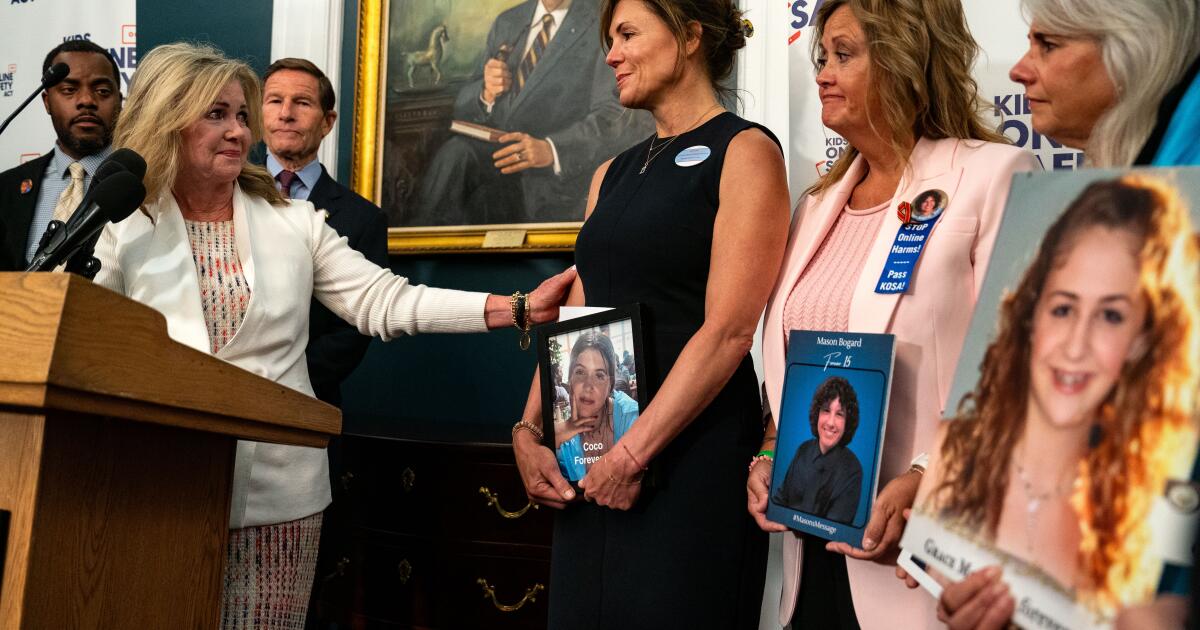
 Becky Ferreira
 Jeff Tomik
 Dominick Mastrangelo
 Andrew Oxford
 , USA TODAY
 Technology