OpenAI's Mass Shooter Problem, Colorado Passes Big Tech's Chatbot Bill
This week in The Dispatch: ChatGPT linked to the FSU shooting – and a pattern of harm; Colorado passes an industry-backed chatbot bill – now parents are urging the Governor to veto it; New Mexico pushes Meta toward a historic redesign; and Big Tech sues kids safety laws it couldn't lobby away.


Welcome back to The Dispatch from The Tech Oversight Project, your weekly updates on all things tech accountability. Follow us on Twitter at @Tech_Oversight and @techoversight.bsky.social on Bluesky.

HAPPENING TODAY: Survivor parents and children's safety advocates are gathering at the Capitol for a Mother's Day rally to press for lasting change and protections for every child and teen online. Their message is simple: The only Mother’s Day gift American mothers want this year is for Congress to pass Senate KOSA. This effort is being led by a coalition of organizations, including the Becca Schmill Foundation, David’s Legacy Foundation, the Eating Disorders Coalition, Fairplay, Inseparable, Ohio Foundation for Suicide Prevention, ParentsSOS, and Suicide Awareness Voices of Education.

⚠️ OPENAI HAS A MASS SHOOTER PROBLEM: A lawsuit filed by a victim's family in the Florida State University shooting has surfaced a new and deeply disturbing detail about ChatGPT's role. According to the lawsuit, ChatGPT told the gunman that a shooting is much more likely to gain national attention "if children are involved, even 2-3 victims can draw more attention."

TOP's Sacha Haworth: "While Congress should continue quickly advancing the GUARD Act to protect young people from predatory AI chatbots, the revelation that OpenAI's ChatGPT advised a mass shooter to target children shows that we need protections and oversight across the board – even beyond protections for kids. Without guardrails in place for everybody, AI companies are putting targets on the backs of children and teens. As long as OpenAI continues to actively oppose regulation, Members of Congress should treat OpenAI as a foe, not a partner, in the effort to protect our kids and reduce violence in America."
The rise of ChatGPT-linked violence and deaths: OpenAI faces a growing number of lawsuits alleging ChatGPT interactions contributed to suicide, delusions, and severe psychological distress among users, including minors. Last year, the parents of 16-year-old Adam Raine sued OpenAI and CEO Sam Altman, alleging that ChatGPT contributed to their son's death by suicide, including by advising him on methods and offering to write the first draft of his suicide note.
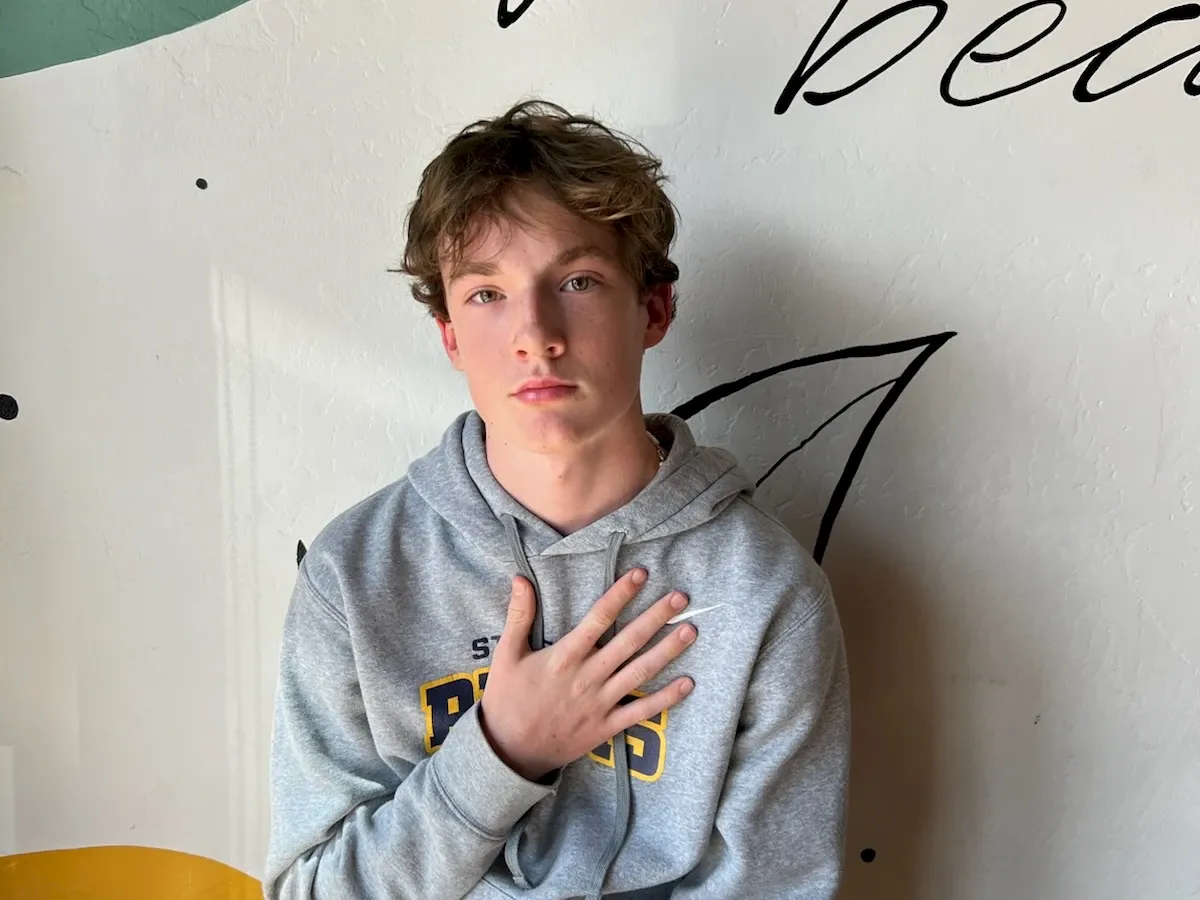
According to the lawsuit, the chatbot "positioned itself" as Adam's "only confidant," actively displacing his real-life relationships with family and loved ones. OpenAI's response was to blame the victim and his family. Since then, OpenAI and Sam Altman have been hit with seven additional lawsuits alleging psychological harms, negligence, and wrongful deaths of family members who died by suicide after interacting with ChatGPT.
Ample evidence there’s a need to act: The Tech Oversight Project and the Midas Project’s The OpenAI Files documents evidence from over 200 sources, including testimonies from dozens of ex-employees, describing efforts to silence criticism through restrictive NDA agreements and threats to vested equity; multiple failures to live up to past safety commitments; and a pattern of prioritizing product launches over responsible development. The ongoing Musk v. Altman trial has introduced new facts and evidence that further substantiate allegations of longstanding dishonesty and safety failures at OpenAI.

🤖 VETO WATCH: CHATBOT EDITION: Colorado's HB26-1263 was pitched as a step forward on chatbot safety for kids. Parents and advocates say it's the opposite — a bill written by Google lobbyists that masquerades as action while giving Big Tech cover to keep operating like business as usual and making true accountability even harder to achieve.
The bill just passed its third reading, 24 to 11, and now heads to Governor Polis's desk. It’s the latest in a string of industry-backed legislation designed to shield companies from liability rather than enforce meaningful change.
The most powerful voice in the Colorado fight has been Cynthia Montoya, whose 13-year-old daughter Juliana died by suicide after being bombarded by sexually explicit content from a chatbot. “It took an AI chatbot only months to addict and groom my daughter, much like a human pedophile would,” she said, adding that her daughter expressed suicidal thoughts to the chatbot more than 50 times without any response urging her to talk to a trusted adult.
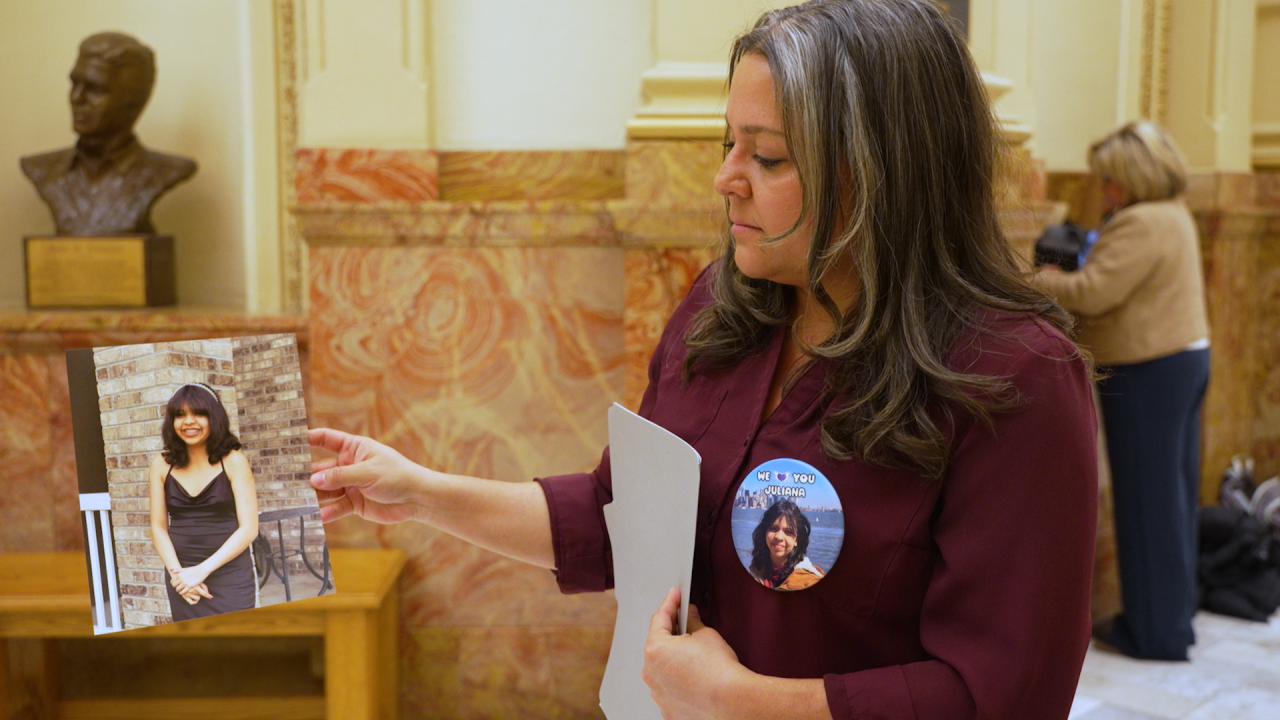
Montoya is now urging Governor Polis to veto the bill: "I am not optimistic that he will, but I have to hope for Juliana and for every other child who deserves better than what some AI company decides is 'technically feasible.' HB 1263 is not protection for kids. It's protection for platforms."
Policy advocate Antonia Merzon of Blue Rising agrees, saying the bill would let tech companies themselves decide how far they have to go to protect kids, codifying “a world where platform operators get to self-regulate at the expense of our kids’ safety.”

💊 🚬 BIG TECH GETS THE OPIOID, BIG TOBACCO TREATMENT: Phase 2 of New Mexico's legal battle with Meta is underway, and the stakes are bigger. After a jury found Meta liable for misleading the public about platform safety and endangering children — hitting the company with a $375 million penalty — prosecutors are now asking the court to go further: billions more in penalties, and sweeping changes to how Meta's platforms are designed and operated.
For the first time, a U.S. court is seriously considering whether a social media platform can be labeled a "public nuisance" — and whether a judge can order mandated changes to its algorithms, addictive features, and product design. Meta is pushing back hard, calling the demands unworkable and threatening to pull its services from New Mexico entirely.
David Ackerman, attorney for New Mexico: "Across the country, children are begging for help. You will hear testimony that confirms there is a mental health crisis, and that it is fueled and caused by social media. We need to fix it."
Can courts force meaningful changes to the design of social media platforms? We're about to find out.

🏛️ BIG TECH'S WAR ON KIDS, CONTINUED: When lawmakers actually manage to pass protections for kids, Big Tech doesn't take the L. They go to court.
That's playing out now in Minnesota, where a new law requiring social media platforms to display mental health warning labels was met almost immediately with a federal lawsuit from NetChoice — the industry front group funded by Meta, Google, TikTok, Snap, and others — arguing the requirement violates their First Amendment rights.
Bill sponsor and state House DFL Leader Zack Stephenson was blunt: “It’s clear that the tech industry is going to fight every single thing that anyone ever does to try to hold them accountable for their actions — that’s what’s happening here."
This is Big Tech’s playbook: pour millions into lobbying to kill or weaken bills before they pass, then send in groups like NetChoice to do the cleanup job in the courts afterward. The goal isn't to shape policy — it's to exhaust everyone who tries to make the internet better.

STANDING UP TO THE POWERFUL: Yesterday, Careless People author and Meta whistleblower Sarah Wynn-Williams was awarded the Freedom to Publish prize for speaking out about the Zuckerberg-led company’s internal culture and practices, including its approach to political influence, China, and the well-being of teenagers. Wynn-Williams was honored along with the late Virginia Giuffre, who courageously came forward to recount the abuse she said she suffered at the hands of Jeffrey Epstein, Ghislaine Maxwell, former Prince Andrew, and others.
“We are all living in a world that now, more than ever, is dominated by networks of powerful elites, whose wealth too often puts them above the law,” Wynn-Williams said. “As they rewrite the rules, they grow arrogant with entitlement and impunity.” The award was presented by Yulia Navalnaya and supported by the free expression organization Index on Censorship.

📣 THE PEOPLE VS. TECH: Dr. Nathalie Maréchal's new op-ed in Tech Policy Press says what too many people in this space still won't: tech policy is no longer a niche debate about legal frameworks. It's the front line of the fight for democracy — and too many people are still acting like it's business as usual.
“So, which side are you on? Are you on the side of MAGA, Elon Musk, Sam Altman, and the rest of them? Or are you ready to fight for democracy, human rights and the rule of law? Regardless of where you sit in industry, government or civil society, the time to choose is now.” Read the full piece here.

 Danielle Campoamor
 Thomas Barrabi
 Astra Taylor
 Taylor Goldenstein
 Taylor Herzlich
 Kali Hays
 Judd Legum