The AI Election Offers Dems an Opening, California Leads By Examples
This week in The Dispatch: AI and data centers reshape the midterms; Congress returns and the pressure's back on Zuckerberg; Newsom signs a landmark kids' safety package; and teachers' unions raise the bar on AI in schools.


Welcome back to The Dispatch from The Tech Oversight Project, your weekly updates on all things tech accountability. Follow us on Twitter at @Tech_Oversight and @techoversight.bsky.social on Bluesky.

📆 FOR PLANNING PURPOSES: Mark your calendars! On Thursday, the Monopoly Busters Caucus, led by Co-Chair Rep. Pramila Jayapal, is holding a shadow hearing on Big Tech and Surveillance AI. The hearing will focus on the hearing on the future of Artificial Intelligence (AI) policy and the dangers of surveillance AI, particularly in the workplace.
👀 WHAT TO EXPECT: Experts on Big Tech, surveillance AI, and their monopolistic practices, as well as individuals harmed by surveillance AI, will testify, sharing their concerns and answering Member questions on what policy solutions are needed to protect consumers, workers, and small businesses alike.
RSVP for the hearing here.

🗳️ THE AI MIDTERMS OFFER DEMS AN OPENING: Back in November 2024, right after the election, Sacha Haworth, Executive Director of The Tech Oversight Project, wrote that Democrats' long alliance with Big Tech was over and that the CEOs who'd spent years posing as progressive allies sold out Democrats to push their unpopular agenda. Two years later, that call looks on the money, and for the first time ever, Big Tech accountability might just determine the balance of power in Congress.
With skyrocketing utility bills, public health risks, and corporate power concerns, AI and data centers have indeed become the defining issue of the 2026 midterms. In the last month, national Democrats have come around to the idea that the issue can be a clear attack line in the midterms– using data centers framed around rising costs, corruption, and Big Tech as the hook to drive a values-based message. The DCCC updated its red boxes for battleground races and an internal House Majority PAC memo tells allies to hit vulnerable Republicans on it directly, district by district.
The numbers are on our side, with 75% of adults opposed to new data centers near them. Fresh NBC News polling shows one of the reasons: AI anxiety now cuts across age, race, education, and party lines, a rare consensus in a country that agrees on almost nothing else. National Republicans, meanwhile, begged Big Tech for air cover and are decided to defending an industry voters increasingly can't stand; even reliable tech boosters are suddenly endorsing moratoriums.
There's a real opening here for Democrats to become the party that stands with families against Big Tech – but only if they're willing to defy Big Tech's super PACs and deliver results in the halls of Congress.
The AI executives aren't giving up without a fight: Leading the Future has continued to shape primaries in both parties. The pressure to look the other way will be enormous. Even self-professed moderates, sympathetic to Big Tech, are sounding the alarm and addressing the need to run against the politically-toxic industry:
My most important message to OpenAI employees concerned about safety — you need to convince your bosses to stop funding Leading The Future and if you can’t you should quit. https://t.co/gF0HXLoEEs pic.twitter.com/gHfvBgQdOC
— Matthew Yglesias (@mattyglesias) September 14, 2026
Voters across party, age, race, and education have turned on an industry that's raising their bills, surveilling their kids, and creating a culture of corruption in Washington. The Democrats who meet them there – and refuse the checks that come with staying quiet – are the ones who'll reap political gain.
As Sacha wrote back in 2024: “it’s time to show Big Tech CEOs that, even for them, there are limits to what money can be allowed to do. Big Tech is not untouchable. In America, no one is above the law.”

🏛️ KIDS SAFETY PUSH IS BACK IN SESSION: As Congress returns to session, Big Tech's excuses for dodging the Senate are wearing thin. Remember the pending hearing on Big Tech's harm to families, originally announced for June 23, then postponed – the one parents have spent months demanding Zuckerberg appear at himself? Last month, Meta settled with 29 state attorneys general, the same day Instagram head Adam Mosseri testified, and just before Zuckerberg was scheduled to take the stand. That $18 billion commitment was meant to make this hearing disappear. It shouldn’t.
A settlement is not an apology, and it is not a substitute for answers and closure. The money buys some basic safeguards for kids and oversight, but it doesn’t touch the core business model powering dangerous and addictive design features. The case against Zuckerberg personally keeps getting stronger. Whistleblower Arturo Béjar has testified that he gave Zuckerberg specific fixes that were ignored, unsealed trial exhibits show leadership buried its own internal research on harm to kids. Sarah Wynn-Williams also laid out a pattern of Meta lying to Congress and slow-walking safety fixes.
Bereaved parents who have waited years for accountability deserve to hear from the man at the top. No deputy, no written statement, no PR campaign: a congressional hearing, with Zuckerberg put under oath.
And while the Senate’s at it, there's a bill waiting. Back in August, the Senate Commerce Committee advanced the Kids Online Safety Act – with its duty of care intact – alongside the Youth AI Privacy Act, the CHATBOT Act, and a bill reining in AI toys marketed to kids. KOSA has cleared its last committee and is sitting on the Senate floor, backed by more than three-quarters of the chamber. The only thing missing now is a vote. If Congress has the will it says it does to protect our kids, then they shouldn't waste another chance.

🥾 TECH ACCOUNTABILITY IS ON THE MARCH: Last week, California Governor Gavin Newsom signed a package of youth online safety bills that we were proud to support throughout this year’s session, including:
- AB 2246, California's Kids Code 2.0, which strengthens and fortifies the state’s Age-Appropriate Design Code.
- AB 1709, which deactivates addictive features for kids under 16.
- AB 2, which makes social media platforms liable for damages when failure to exercise ordinary care injures a child.
- SB 1119, Adam's Law, which extends design-based protections for kids to companion chatbots.
- AB 1159, the California Learner Personal Information Protection Act (CALPIPA), which modernizes California's student data privacy laws, extends them from preschool through higher education, and gives students harmed by violations the ability to hold ed tech companies accountable.
TOP’s Sacha Haworth on the bill signings: "Big Tech companies don’t fix their products on their own – they change only when forced to by a jury, court, or legislature. These laws build on the recent AG settlement with Meta, creating lasting protections for kids on all platforms whether they’re on social media, using AI, or in the classroom. They work together to put responsibility where it belongs, on the companies that design these products, instead of on parents and schools. California just sent a clear message to the rest of the country that our kids’ wellbeing comes before engagement metrics and Big Tech profits.”

🏫 A FIRST STEP ON AI ACCOUNTABILITY IN CLASSROOMS: Parents have been sounding the alarm about AI tools showing up in classrooms with zero guardrails, no clarity on what data gets collected, and no one responsible for taking action when something goes wrong. Last week, that pressure produced real progress: the AFT and UFT teachers’ unions and Microsoft announced a "National AI Safety & Privacy Standard." It bars companies from training AI on student data, prohibits tracking students, requires human oversight before any AI-driven decision, and forces plain-language transparency for parents and educators. School districts can build these terms directly into their Microsoft contracts, making them legally enforceable.
The teachers' unions get the credit for making this happen. AFT President Randi Weingarten: "No one else, including the federal government, has stepped up to do the real work." And unlike Meta's recent settlement, this agreement wasn't extracted under threat of a jury verdict. The AFT and UFT built it through negotiation, and it's enforced externally by school districts with the power to end the contract and seek damages – not policed by Microsoft grading its own homework.
Setting this standard is a good first step, but it's not the finish line – and we're only here because Congress still hasn't done its job.

 Vaughn Golden
 Print this Article View Comments
 Emily Birnbaum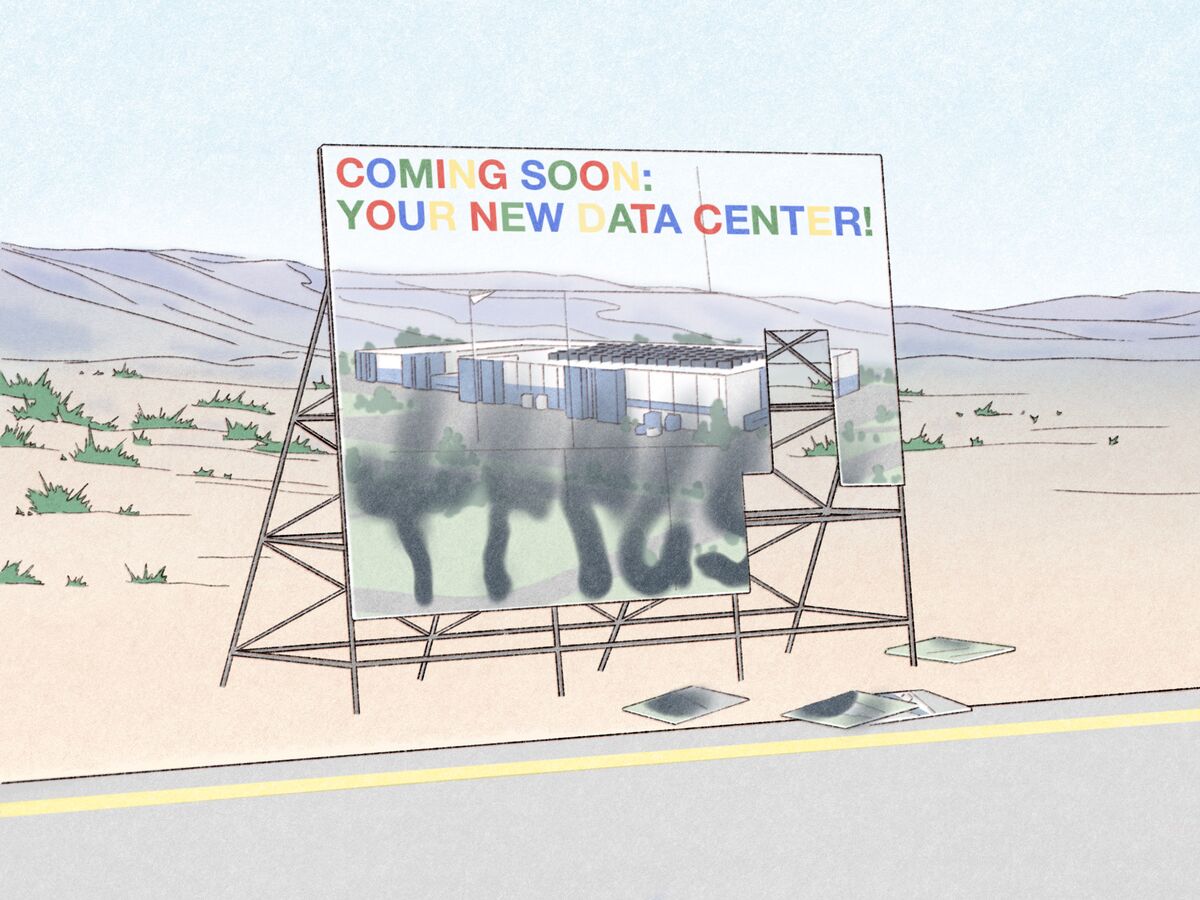
 Sarah Perez
 Monica Alba and Raquel Coronell Uribe
 Ashley Gold