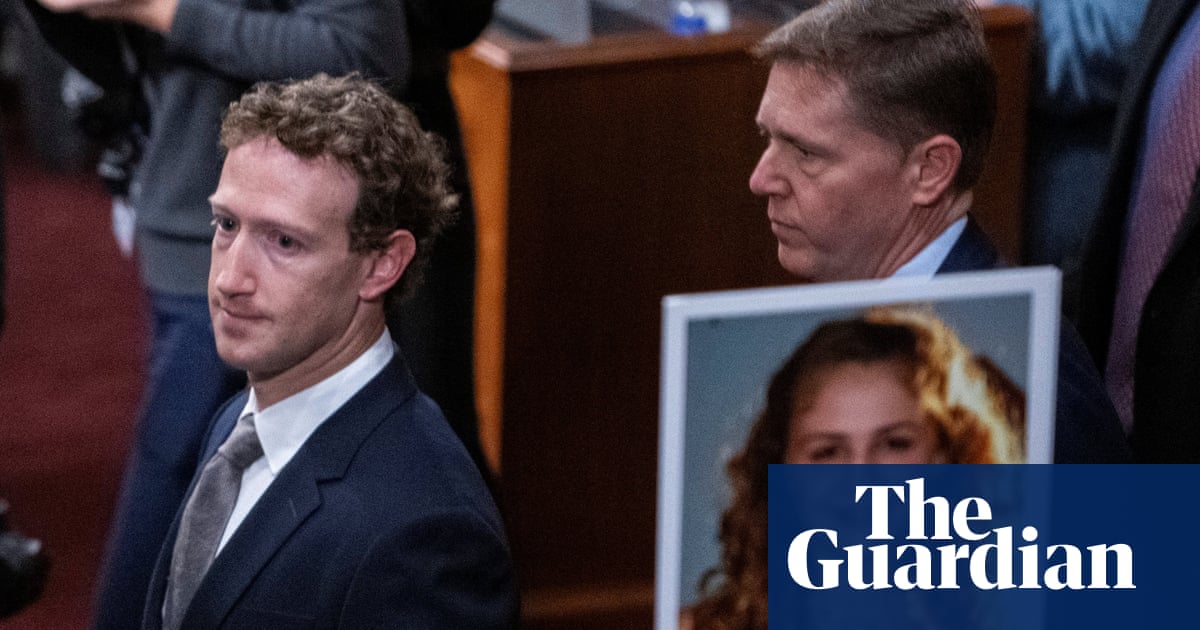
YouTube: Goal is not viewership. It's viewer addiction.
This week in The Dispatch: How YouTube execs addicted kids; Big Tech collects billions in new tax breaks; the AI preemption push runs out of friends; and Gen Z has had enough.

Welcome back to The Dispatch from The Tech Oversight Project, your weekly updates on all things tech accountability. Follow us on Twitter at @Tech_Oversight and @techoversight.bsky.social on Bluesky.

🚬 NOT BEATING THE BIG TOBACCO CHARGES: Following the landmark verdict finding YouTube knowingly addicted kids to its dangerous social media products, The Tech Oversight Project released YouTube: Addiction Inc. last week, which was covered by the New York Post.
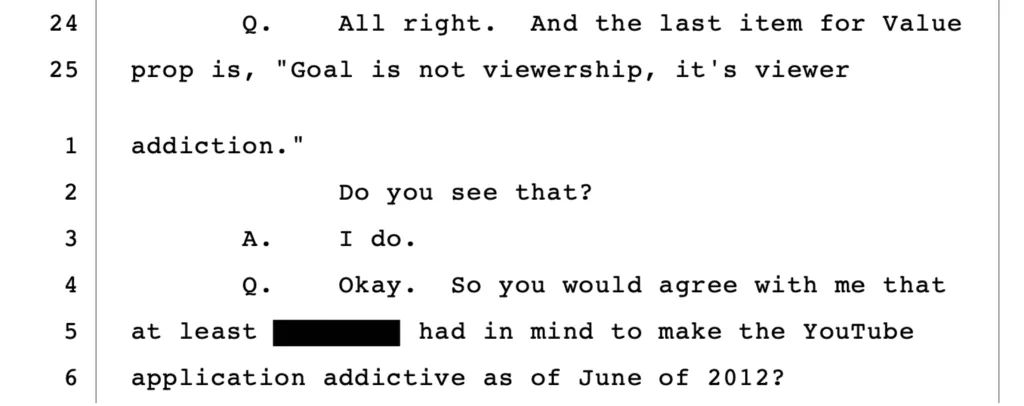
Newly unsealed documents in the upcoming federal trial implicate YouTube senior executives and engineers, showing that the trillion-dollar Big Tech giant suppressed internal warnings, manipulated third- party advocacy organizations, and auto-deleted internal communications to conceal them from judges and juries.
The company’s internal teams rejected a safety feature designed to prevent adolescent sleep deprivation because its “Return on Investment” was too low — one month before an executive told the Senate that business interests never override child safety.
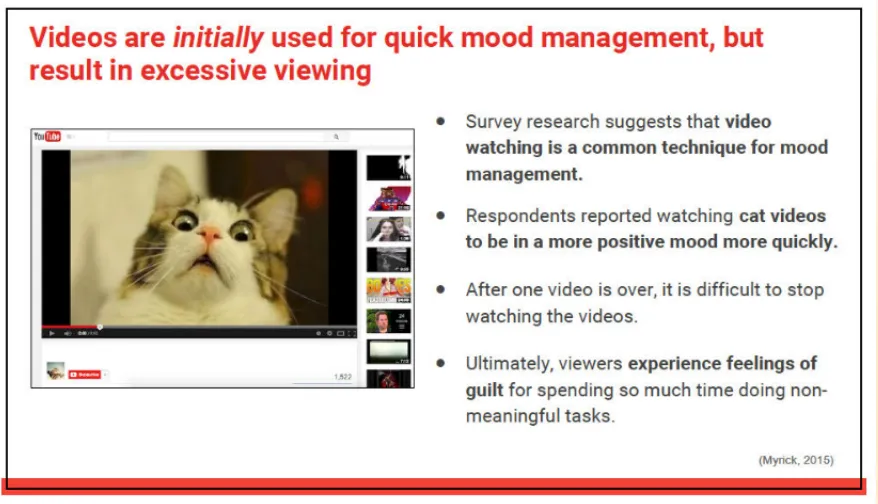
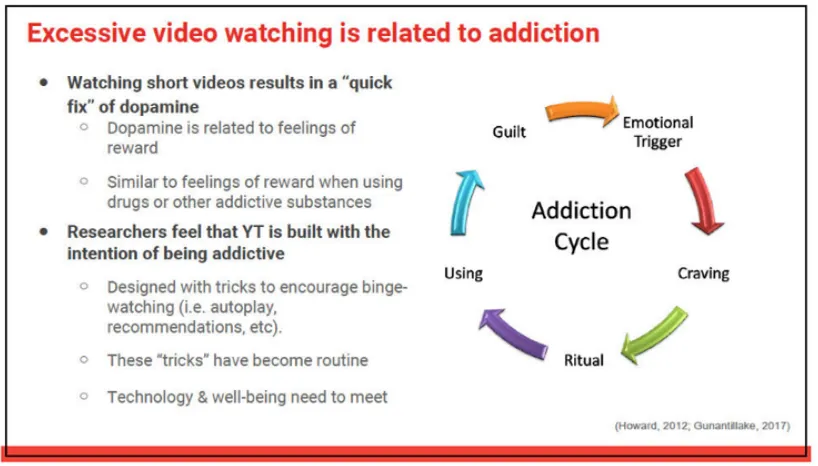
They lied to Congress. The documents prove it. And now it's in the public record.
TOP’s Sacha Haworth: “YouTube’s posture in court is that they aren’t a social media platform, but their own executives don’t even buy that theory. These explosive documents show that YouTube set out to deliberately addict children and teens because it produced more screen time to deliver ads and more data to funnel into Google’s surveillance business. They see our kids as pawns to make their next trillion dollars, and it’s past time that we break this noxious status quo.”

🤑 BIG TECH'S BIG PAYDAY, COURTESY OF DONALD TRUMP: We knew Trump's Big Beautiful Bill handed Big Tech a windfall – now we know how much. New tax filings reveal that Meta, Amazon, and other Big Tech companies are among the winners of a $65 billion windfall thanks to an obscure provision in Trump’s tax bill that accelerates certain corporate deductions.
The same Congress that has refused for years to pass meaningful kids online safety legislation handed the companies being held liable for harming our kids a multibillion-dollar tax break.
TOP’s Sacha Haworth: “How dare President Trump and Congressional Republicans hand Meta a $3 billion tax break and Amazon $4 billion while refusing to lift a finger to protect kids online. How dare they give billions of dollars to Big Tech companies and executives while ignoring more than a decade of smoking-gun evidence that their top executives have shown gross negligence by knowingly prioritizing profit over user safety at every turn…. It’s time for this corrupt bargain to end, accountability to come due, and these CEOs and their political enablers to answer to the American people.”

☢️ BIG TECH'S SUPER PAC SPENDING IS BECOMING RADIOACTIVE: As Big Tech’s spending in recent primaries yields mixed results, it’s becoming increasingly clear that something is shifting. The surge of Big Tech AI campaign money is starting to look like baggage for some candidates, as Meta pumps $65 million into state-level campaigns across the country and the broader AI industry pours hundreds of millions into congressional midterm races.
Politico/E&E News reported yesterday that data center developers have already donated millions to influence Texas elections – even as lawmakers in Austin are fielding daily calls from farmers, rural landowners, and constituents furious about spiking electricity bills, depleted water supplies, and data centers gobbling up farmland. Meta alone spent $1.3 million on Texas state primaries in March. Elon Musk kicked in $500,000 to a PAC backing state Senate candidates.
TOP's Marjorie Connolly: "This will be thought of as the AI midterms, because there's so much money out there."
Voters are asking hard questions about where all that money is coming from and what it's buying. The Nation put it bluntly: "AI Is the New AIPAC" – drawing a direct line between the AI lobby's flood-the-zone strategy and the kind of big-money political influence operations voters increasingly distrust.
Last month in the Illinois primaries, Meta’s state Super PAC backed four statehouse candidates, but only won one race. That candidate, Paul Kendrick, told The Chicago Tribune weeks before election night: “I don’t want their support. It’s frustrating to be doing everything right, and then an outside entity does something I didn’t ask for.”
In 2026, a check with Big Tech's name on it isn't quite the gift it used to be.

BIG TECH'S PREEMPTION PUSH IS RUNNING OUT OF RUNWAY: The Trump administration's push to strip states of the power to regulate AI is running into a problem: almost nobody wants it. Democrats are opposed. State legislators and AGs from both parties are opposed. MAGA figures like Steve Bannon are opposed, too.
Last week, the Washington Post laid out the state of negotiations around federal preemption of state AI laws — the revival of a Trump administration wish-list item that was blocked last year. Here’s the emerging “legislative chessboard” that is making a deal hard to strike:
- There’s sweeping Congressional opposition to preemption, and it cuts across party lines.
- The administration has shown little appetite for compromise, making any negotiated deal difficult to land.
- Voters are increasingly skeptical of AI — a March poll has AI less popular than ICE and Donald Trump and support more oversight, not less.
There are still rumblings about including preemption in a broader GOP reconciliation package, but given the bipartisan headwinds, turning that strategy into reality looks far from certain — and if it moved forward, it could flounder on the rocks of the strict rules that govern the reconciliation process itself.

📣 GEN-Z SOUNDS OFF ON SOCIAL MEDIA ADDICTION TRIALS: In the wake of the landmark verdict against Meta and Google, a generation that grew up on these platforms is speaking out – and what they're saying should make Big Tech very nervous.
Zamaan Qureshi of Design It For Us wrote: “This is a moment of justice for the young people who have stood up to share their stories time and again. This moment is a testament to our work to protect the next generation who will grow up online as we push towards safer design. This is a verdict not just from a jury, but from a generation.”
That sentiment is showing up everywhere Gen Z has a voice. College newspaper opinion pages continue to buzz, with students writing about algorithmic manipulation, the hollowness of Big Tech's social justice branding, and what it means to have grown up as a product.
Lennon Torres from the HEAT Initiative penned an opinion piece in The Hill, sharing her personal story and calling out Big Tech's cynical use of the LGBTQ+ community as a shield against accountability for harming kids. Torres bluntly called out companies that have actively harmed queer youth and shouldn't get to wrap themselves in a rainbow flag to avoid scrutiny.
Young people built their social lives on these platforms. They also watched those platforms harm their friends, their mental health, and their sense of reality. They know what happened to them. And they're done pretending otherwise.

 Emily Birnbaum
 Lynn LaNewsletter Writer
 Emma Roth
 Ben Brody
 Sarah Perez
 Katie McQue