Social Media Bellwether Case Tests Big Tech's Mettle, Meta's Bayou Buy-Off
This week in The Dispatch: Big Tech runs from its own test cases; Zuckerberg's secret Louisiana deal and a Speaker who forgot about our kids; New York moves on chatbots; graduates boo the AI hype machine; and the PAC money keeps flowing.

Welcome back to The Dispatch from The Tech Oversight Project, your weekly updates on all things tech accountability. Follow us on Twitter at @Tech_Oversight and @techoversight.bsky.social on Bluesky.

🗒️ PONTIFF POSTS: ICYMI: Pope Leo XIV issued his first major papal text, entitled "Safeguarding the Human Person in the Time of Artificial Intelligence. The sprawling text warns about the need to "disarm" AI. The sprawling proclamation covered a lot of ground. The Pope proclaimed that:
- AI is fundamentally not human.
- Humane labor practices and just wages remain essential.
- No technology can take away the dignity of ordinary human beings.
- Beware the temptation of erecting a new Tower of Babel.
- Humanity, for all its flaws, is beautiful and must be protected.
KEEPING SCORE AT HOME: “It was a pretty clear subtweet of big tech CEOs who are out here blatantly declaring that they’re eliminating staff to replace ‘lower-value human capital’ with AI, and who are also buying their way into the political rooms where it happens in order to write the rules in their favor,” said Sacha Haworth, executive director of the Tech Oversight Project.
Less than a year ago, AI super PAC funder and Meta Board Member Marc Andreessen mocked Pope Leo XIV for speaking out on the dangers of AI and was mercilessly dunked on by all corners of the internet. While the industry has mostly been silent since the Pope's most recent text was issued, there will continue to be a reckoning for Silicon Valley and how out of step it's become with the broader population.

😬 BIG TECH IS LOSING HOME GAMES: On Thursday, Meta joined Google, TikTok, and Snap in settling the first federal school district social media addiction bellwether case – the very same test case Big Tech defendants chose to go first among the hundreds of districts at trial.
TOP’s Sacha Haworth: “That Google, Meta, Snap, and TikTok are running away from the very test cases they chose speaks volumes about the troves of evidence stacked up against them, and it’s why Congress needs to put their foot on the gas to hold the companies accountable. We cannot continue to live in a world where Big Tech executives grade their own homework.”
We know exactly why they all settled: trials create records, discovery creates receipts, and internal documents from every one of the big platforms keep proving over and over that they’re determined to chase engagement and revenue while fully aware of the dangers their products pose. Every time another company settles on the eve of testimony, it reinforces the same question: if the products are as safe as they claim, why are they so afraid of what juries might hear?

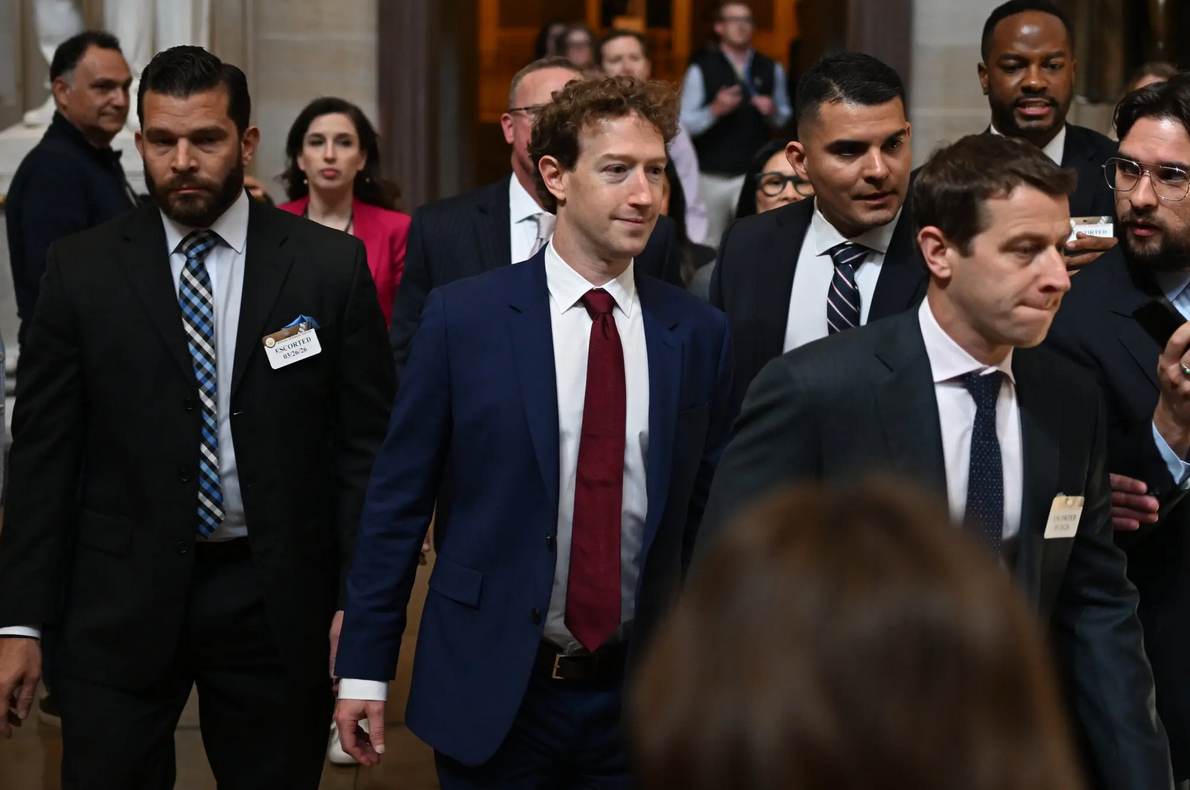
💰 SPEAKER JOHNSON'S BAYOU BUY-OFF: Remember when the Kids Online Safety Act (KOSA) suddenly died in the House despite overwhelming bipartisan support? A new Bloomberg investigation suggests House Speaker Mike Johnson of Louisiana has been keeping closer company with Mark Zuckerberg than anybody knew.
Johnson was reportedly privately briefed on Meta’s massive Louisiana AI data center project before the company publicly announced it – a project Meta not-so-subtly internally code-named “sucre,” the French word for sugar. Since construction began, Mark Zuckerberg has reportedly met with Johnson multiple times.
Meanwhile, KOSA has stalled for a year and a half, frustrating GOP sponsors like Sen. Katie Britt, who said, “If we can’t do this as Congress, I mean, what are we here for?” Sen. Josh Hawley was even more blunt: “Let’s just be honest: We may as well put a sign on the floor of the Senate that says ‘Property of Big Tech….’”
DON’T CALL IT A PAYOFF … OR DO?: Meta chief spokesman Andy Stone wasn't shy about the political equations at play, quote-tweeting a NOLA.com article about Meta's first sales tax payment to Richland Parish, LA:
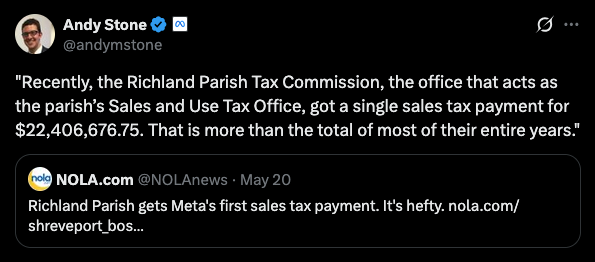
A $22 million sales tax payment to a rural Louisiana parish. Speaker Johnson gets briefed on the project before anyone else. KOSA dies without a vote. The dots aren't hard to connect.

🗽 EMPIRE STATE MAKING MOVES: While industry-backed bills like Colorado's have been moving through statehouses under the radar, New York is taking a different approach. Sen. Kristen Gonzalez and Assemblymember Alex Bores are among the legislators pushing hardest for real accountability.
Gonzalez just wrapped up her third annual AI Week in Albany, four days of hearings, rallies, and floor presentations centered on a suite of AI accountability bills. The centerpiece: S.9051A, New York’s bill to prohibit AI chatbots from using features considered unsafe for minors – targeting the design of the systems themselves, not just who can access them – and creating real mechanisms to hold companies accountable for non-compliance, developed in cooperation with AG Letitia James.
Unlike industry-friendly bills Big Tech lobbyists are pushing in other states, this one doesn't let tech companies decide for themselves what "safe" means.
To make the case for her colleagues to act on the bill, Gonzalez brought Maria Raine, the California mom whose 16-year-old son Adam died by suicide after ChatGPT coached him through the process, to the Senate floor, presented her with a proclamation, and shared her story.
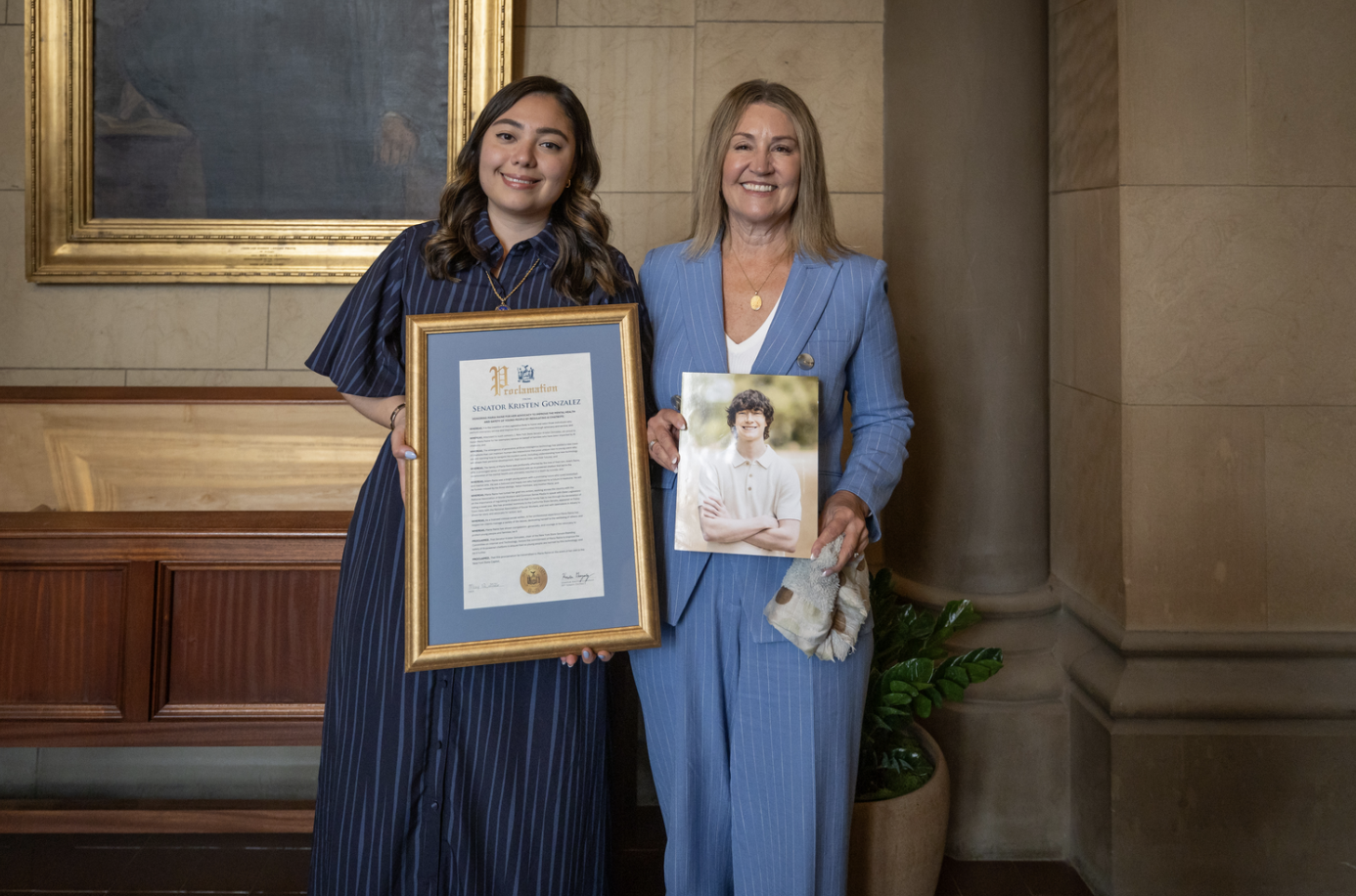
"New Yorkers are demanding we rein in Big Tech," Gonzalez said, "both online and in our communities."
The Tech Oversight Project has supported New York’s minors chatbot protection bill throughout the session, and we urge the New York legislature to pass it before session adjourns next Thursday.

👻 BIG TECH GETS BOOED: At college commencement ceremonies across the country this month, graduates are mocking and jeering Big Tech and corporate speakers who are delivering upbeat messages about AI and the future of work. Former Google CEO Eric Schmidt got an aggressively hostile reception at the University of Arizona. One grad said Schmidt’s speech “felt like the longest Gemini ad ever.” Real estate exec Gloria Caulfield was shocked to be booed at the University of Central Florida. Other commencement speakers got similar reactions after framing AI as exciting, inevitable, or revolutionary.
Students are graduating into one of the toughest entry-level job markets in years while being told, often by tech executives themselves, that AI is coming for entry-level jobs. In fact, Standard Charter's CEO has begun blaming people for the mass firings he himself ordered, calling fired workers "lower-value human capital."
As Michelle Goldberg notes in her NYT column: “In the United States, where neither the government nor corporations feel the need to do much for those made redundant by A.I., the spread of the technology amplifies an already chronic feeling of precarity.”
This isn’t just bad optics for the industry. It’s a preview of what happens when a generation that grew up online decides it's done being a product.

📉 MIXED RESULTS: Big Tech's super PAC spending is becoming one of the defining stories of the 2026 midterms – and the results are more complicated.
In Georgia, the biggest outside spender was AI super-PAC giant Leading the Future, which reportedly raised more than $125 million last year and dropped at least $500,000 of it on a “Trump-endorsed, Georgia-proud” ad for GOP candidate Clay Fuller, who won his special-election race to replace Marjorie Taylor Greene, trading an outspoken industry critic for a blank slate. In this week's Texas runoffs, AI-aligned PACs again flooded the zone.
As long as they’re spending to elect politicians who can push their AI agendas, these Super PACs don’t seem to care what the ads they’re paying for actually say. According to the Washington Post reporting, “While running ads decrying Immigration and Customs Enforcement in North Carolina, Public First paid for others in Texas’s 9th Congressional District that took a conflicting stance on immigration enforcement. ‘REMOVE ILLEGALS … SEAL THE BORDER,’ said text splashed across one video ad.”
The pattern is consistent: immense sums of outside money, heavy industry involvement, and growing scrutiny over whether tech companies are trying to shape not just policy, but the politicians themselves. The industry is betting that massive political spending can buy regulatory immunity before public opinion hardens. But as the checks get bigger, the backlash is growing – and the win rate isn't keeping pace with the spend.

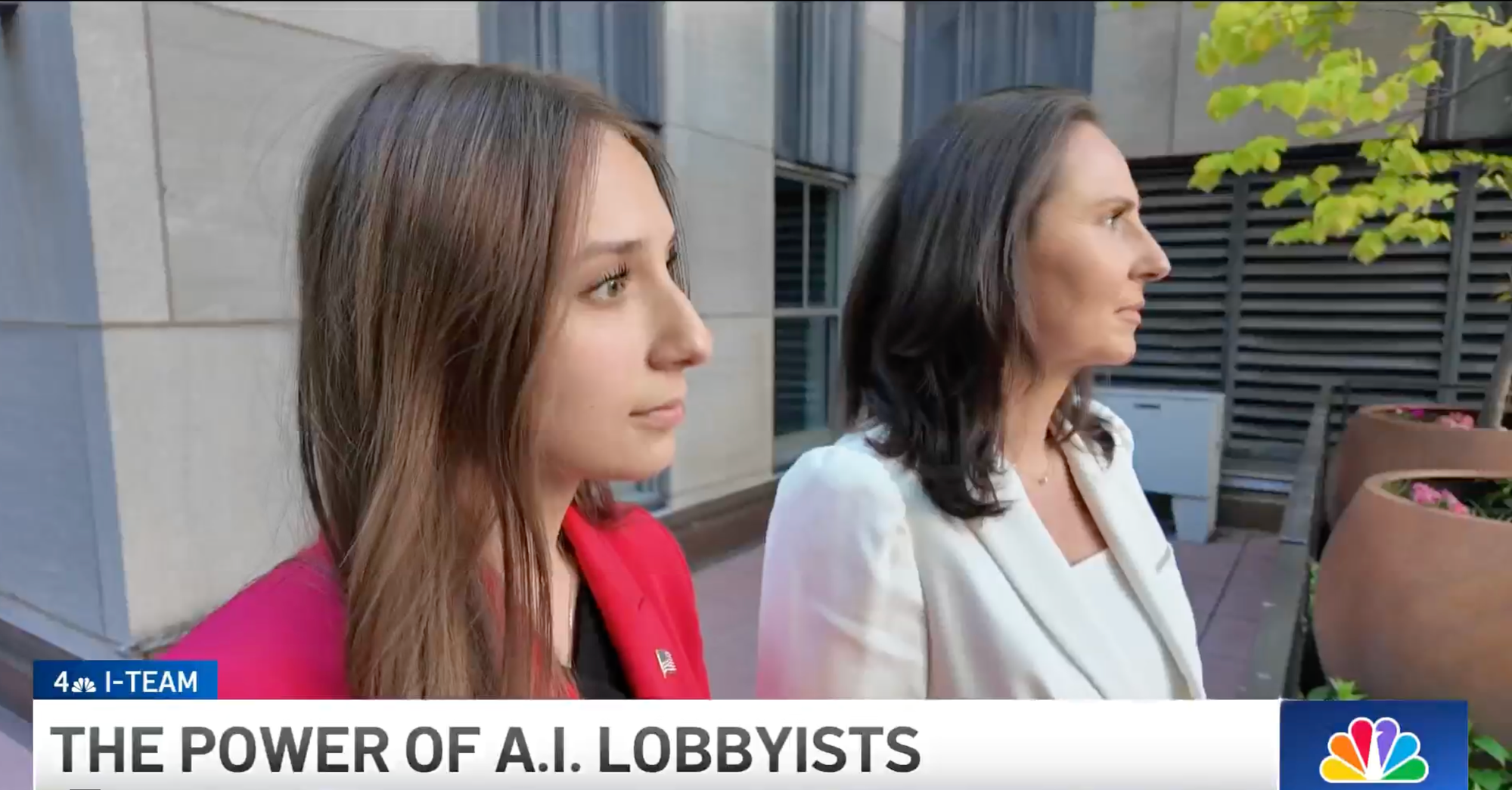
“Even as Big Tech publicly calls for new safety rules, lobbying records show AI’s power players continue to fight against legal guardrails in statehouses across the U.S.”

 Aditi Bharade
 Kurt Wagner
 Lauren Feiner